Today's Quote


  • The World The GLBT Worldwide Flag Alternative GLBT Symbol
  • Sunday, May 14, 2006

    The Lunatic Fringe of Christianity


    Original Article at
    http://www.opednews.com

    By Anthony Wade

    It is time for true Christians to stand up and say enough is enough. With each passing day we see the normalization of the extreme Christian right as the voice of Christ in latter day America. For years we only had to deal with the Jerry Falwell’s of the world claiming they were the mantle of modern day Christianity. They would say something bizarre and we would all shake our heads realizing that with each increasingly inane comment, they would lose more and more credibility. Pat Robertson would seemingly forget the Ten Commandments and call for the assassination of a world leader but we all knew that ole Pat hasn’t been dealing with a full deck for some time now. Anne Coulter says something insane about bombing people and converting them to Christianity but we all know she is 100% political, 0% Christian. The lunatic fringe as I like to call them have always been able to be taken for what they are, lunatics. The fact that they claim to come in the name of Christ, while unseemly, was always transparent.

    Recently however, we see that the opponents of the right have been trying their best to “mainstream” the lunatic fringe as the voice of Christianity. In their zeal to speak out against the most corrupt administration in modern history, they have actually loaned credibility to the incredulous. Let’s set the record straight. President Bush ran to the Christian right and a great portion of them bought the package. Of course in this country, where we can only muster two coherent lines of political thought, they did not have much choice. The republicans and their media machine did a masterful job of boiling all of Christianity down to two social issues, abortion and gay marriage. The logic that followed is that any committed Christian could not possibly vote for a pro-choice, pro-gay candidate. They grabbed the mantle of “family values” and spoke to a heartland that longed for a simpler time in America. They packaged their man, prepped him, and sold him. Bush was born again after all. Forget the alcohol abuse, cocaine usage, and covering up his “youth.” He found Jesus. Now, as a born again believer myself, I would never question someone’s salvation. That is not my place. The Bible does tell us though that “by their fruit you shall know them.” Essentially God is instructing us that if you truly want to see the heart of a man, see what he bears in his life. Any fair analysis of the presidency of George W. Bush would have to conclude that he has not borne fruit that would be pleasing to God. Yes, he can tell us that Jesus is his “favorite philosopher” but that means little in the real world and as it says in the Book of James, “faith without works is dead.” Maybe the philosophical statement is more of an insight into how Bush actually views Christ, in more theoretical terms as opposed to deeds.

    You must understand that the Christians in this country were probably just happy to have any candidate willing to say the name Jesus, let alone actually follow his teachings. They saw a man who swore he would tell us the truth, bring reform, and restore civility to what was a tumultuous atmosphere in Washington. They saw he took a stand on the two social issues, so they bought the whole package. Unfortunately, because of the trappings of the two party system in this country, they bought more than they were willing to pay for. In order to buy the pro-life and pro-family candidate, they also bought the pro-poverty and pro-war candidate. The ironic thing is that the one thing that God speaks about the most in the Bible is protecting “widows and orphans”, or the neediest in society. While abortion is a blight upon humanity for most Christians, aborting people at the age of 21 in the deserts of Iraq is not a moral victory. In a time when we have the richest and most progressive society, 30,000 children die every day for lack of clean drinking water or food in this world. Widows and orphans.

    Make no mistake about it. There is very little “Christian” about this administration. The Bible gives clear instructions that the Gospel is to be brought to the four corners of the world, not this country. We are all God’s creation. While God certainly has blessed America, what have we done with those blessings? What has this administration done with them? Jesus Christ is the Prince of Peace, not war. He spoke about forgiving those who wrong us seven times seventy times. His Sermon on the Mount taught us that it is the meek that shall inherit the earth. His Gospel message is one of love and reconciliation. Would Jesus have approved of handing back billions of dollars to the richest people in this country while the middle class becomes impoverished? As the Bible says, it will be easier for a camel to pass through the eye of a needle than for a rich man to enter the kingdom of God. Why is that? Because the Word explains, we cannot serve two masters. This administration only serves one, and it is not Christ. Jesus becomes a sound bite. A name to throw out when visiting a church to curry votes. At the end of the day though, health care is a family value. Child care is a family value. Protecting the elderly is a family value. Being able to raise your children without working four jobs is a family value. Once President Bush met a woman at a campaign stop who said she was working four jobs and all Bush could say was that it was “uniquely American.” No Mr. President, it is uniquely sad.

    On the other side, war is not a Christian venture. Promising poor youth a way to college when you know only 15% of them ever get their degrees and most will end up calling other human beings or being killed themselves, is not a Christian venture. Breaking over 750 laws is not a Christian venture. Destroying the planet God blessed us with is not a Christian venture. Allowing the Pentagon to have access to all the records of school age children to market the armed forces to them so the war machine keeps getting fed, is not a Christian venture. Lying to go to war is not a Christian venture. Trying to eliminate the social security system is not a Christian venture. Asking for 70 billion on tax breaks for the rich while in the same breath demanding 50 billion in cuts to services for the poor, is not a Christian venture. Doing all of this in the name of Christ however, is a venture that is devoid of values.

    Is it surprising to hear such talk from a born again Christian? If you think so, it is only because you keep listening to the wrong ones. I know many people out there that feel the way I do. They write me emails every day bemoaning the fact that they have no voice.

    The concept was that so many people discussing Christ and Christian values on both sides needed to simply get back to the red letters in the Bible, the words of Jesus. In His Sermon on the Mount, Jesus tells us who will be blessed. They include the meek, those who hunger and thirst for righteousness, the pure in heart, the peacemakers, and the merciful. Jesus did not mention the republicans, the democrats, the conservatives or the liberals. Jesus did not do politics. Render unto Caesar what is Caesar’s and unto God, what is God’s.

    In this country we like to mix the two. The republican machine has done a brilliant job of using the Christian base for its own ends but the democrats seemingly do nothing to challenge it. Instead, they climb on their soapbox, angry with the self righteousness they do not have a right to posses and demonize anything that walks or talks like a Christian. They liken pastors, who try and save souls for the kingdom of God, as whores. They take the most extreme, insane rantings of the lunatic fringe of Christianity and apply a broad brush stroke across the foreheads of anyone who simply claims that they have been saved by the King of Kings. Suddenly, Christians are branded as sheep, unable to think for themselves. They are relegated to being labeled brainwashed, or having drunk the Kool-Aid. The simple acknowledgement of a higher authority that just might know better than us is marked as being simplistic; not realizing it takes far more wisdom to recognize the failings of man than to assume moral superiority based on nothingness. It is far easier to pick up a gun then surrender your will.

    Anne Coulter does not represent Christianity. Neither does Jerry Falwell, Pat Robertson, or George W. Bush. My Pastor does not, nor do I pretend to either. Only Christ can represent Christ. Only the Bible can represent Christ the man, not the philosopher. Only through His Gospel, the red letters, can you be saved. All I can do is tell you what He said and what He has done for me. The rest of this is just window dressing. The powers that be want you debating abortion and gay rights so they can sell you their wars and poverty. The lunatic fringe wants to sell you the notion that gays are responsible for your lot in life. They want you to believe God would approve of this war. That God, who created all mankind, would approve of the random slaying of 100,000 people for nothing more than a fairy tale about WMD. They would have you believe that the party that brought you Jack Abramoff and Tom Delay represent Christian values. But we know better than that. CHRISTIANS know better than that. Christians know who Christ was and what He stood for. They know what the lunatic fringe is and what they stand for.

    I saw a comment once that summed it up pretty well for me. Republicans are very good at protecting you at birth and at death; they are just not that good with what lies between. If you really think about it though, that is what Jesus came to earth to instruct us on. Once you believe on Him, you already have eternal life so his teachings all revolved around what to do with this life we have been gifted with. His message was not one of hate. It was not one of war. It was not one of self-righteousness because without Christ, we have no righteousness. He was both liberal and conservative and also neither, all at the same time. He was the Alpha and Omega, beginning and the end, the way, the truth and the life.

    In the last days, many will be deceived. It is bad enough that we have to hear the insane ravings of the lunatic fringe of Christianity. To then have those people who should know better lend them credibility by bestowing upon them the mantle of Christianity is beyond the pale. This is a call to action for the progressive movement in this country. Christians know right from wrong. They even know right from left. Stop muddying the issue by normalizing the lunatic fringe and you just may find true Christians lining up at your side. Maybe not on every issue. Maybe not for all time. But certainly long enough to unite this country again. Certainly long enough to believe in America again. Certainly long enough to push the lunatics away from the microphones and push the red letters back into focus.


    --------------------------------------------------------------------------------

    Authors Bio: Anthony Wade, a contributing writer to opednews.com, is dedicated to educating the populace to the lies and abuses of the government. He is a 38-year-old independent writer from New York with political commentary articles seen on multiple websites. A Christian progressive and professional Rehabilitation Counselor working with the poor and disabled, Mr. Wade believes that you can have faith and hold elected officials accountable for lies and excess. Anthony Wade’s Archive: http://www.opednews.com/archiveswadeanthony.htm Email Anthony: takebacktheus@gmail.com

    What You Going to do About it? Nothing ....

    by Jeremy Pikser and Huffington Post

    So they've been collecting records of ALL our phone calls. Can anyone really claim to be surprised? I guess the same folks who were surprised there were no WMDs in Iraq. The folks who believe Iran is somehow a potential threat to anyone. (Oh, surely Israel, they squeal. Yeah, right. Has anyone said that Israel, with its longstanding stockpile of battle ready nukes is a threat to Iran?) What Iran is a threat to, as was Iraq before it, is an absolutely unquestioned free hand for unhindered US dominance in the Middle-East. (including oil, including military basis, including what financial instruments will be used to trade in oil, etc. etc.). But I digress. Badly Or do I?

    What is the significance of this new phone calls "disclosure?" I confess to a rather cynical view. Every new revelation that the Bush Regime is moving blithely and blatantly along the path to a quasi-fascist state seems to disappear in the same sinkhole of "ain't it a shame" paralysis of the body politic.

    No, no, I'm chided. First off, this may mean that Governor Hayden, newly nominated to head the CIA, may be in for "a rough time" at his confirmation hearings. We don't hear "there's no way in hell he's getting the job now," ( my guess is that unless he has some personal scandal like playing s&m games in his basement with his illegal Honduran nanny, he will be confirmed, but that's just a guess) and we CERTAINLY don't hear that anyone much better will even be considered. What we WILL hear is more astounding blather about how the president can do anything he wants on account of... heck, he's president. End of subject. Eventually, in another hearing, or court of law, we may hear about why Porter Goss, former Head of the CIA, resigned so suddenly, about how the man he oddly raised several pay grades to be third in charge at the CIA, Rusty Foggo, (Jesus, you really can't make this shit up, can you?) was allegedly (yeah, right) involved in bribes and whores. What we will never hear in any official hearing (except in our dreams of seeing the whole gang from Bush on down at the War Crimes Tribunal that will never happen) is what Foggo was doing as a CIA operative in Honduras (at the same time, I'm guessing, that John Negroponte, who now heads the entire US "Intelligence" community and reportedly wasn't getting sharp enough "yes sirs," from Goss, which in the PG-rated version was the cause of his resignation). Nor will we hear any truthful account of what Negroponte's role was in the 50-100,000 civilian murders committed by our "ally" the Honduran Government during his tenure there. Negroponte, we are told, is a man "qualified" to be the highest power in all of the US spy networks. And I'm supposed to worry about collecting phone records?

    But I'm being too morally righteous; not politically sophisticated. The Hayden hearings themselves will be an opportunity for Democrats AND honest Republicans to raise serious questions in open forum about the true nature of what our government is up to. People may not care about the slaughter of brown innocents, but Americans' right to privacy??! What it all really leads to is a smashing Democratic landslide in November. Maybe.

    I notice that all the polls are showing two-digit leads across the country for the Democrats.... Except for Fox News, which shows only a 3% lead. Is there something they know that we don't know?

    Between the massive Gerrymandering of congressional districts, and the largely unreported, but highly documented technical and organizational revolution in voter intimidation and fraud perfected by the Bush Putsch Gang... I'm expecting a miraculous narrow victory in both Houses for the underdog Republicans, confounding exit polls showing a Democratic victory. Maybe I'm too pessimistic.

    My own view is that new revelations are mainly fodder for the news junkie industry. We already know more than we need (way, way, way more) to be certain that this cabal of fanatics, liars, thugs, and criminals (at international, constitutional, and national levels), are simultaneously bent on destroying true democracy or self determination anywhere in the world and ecologically making that world seriously less habitable. The only real question is not about what we know or what new startling revelations come to light, but what are we going to do about it?

    Copyright © 2006 HuffingtonPost.com.

    Saturday, May 13, 2006

    Healing my Heart - A Story for Mother's Day


    by Nancy Guthrie

    When we look into our own hearts and begin to discover what is confused and what is brilliant, what is bitter and what is sweet, it isn't just ourselves that we're discovering. We're discovering the universe.

    When I knew my baby was fatally ill, I realized the best way to get through the pain of Mother's Day was to comfort others.

    It was literally the Mother's Day of a lifetime. The only Mother's Day I would have with my daughter, Hope. She was five months old and because she was born with a metabolic disorder called Zellweger Syndrome, she was expected to live less than six months. So every day was a gift. And I wanted to enjoy the gift of having her for this Mother's Day rather than focus on the reality that it would be our only one together, which it was.

    But perhaps the greatest gift I received was having my eyes opened to the hurting people around me on what, for many, is a very difficult day.

    As that day approached, I anticipated the mixture of joy and pain the day would bring. I began to think of people around me—people I knew who had lost their mothers that year and were facing the first Mother's Day without them, those who had lost children and felt the void especially on that day, those I had come in contact with who, like me, had children who would not live until the next Mother's Day, even those who have never been able to conceive or carry a child successfully.

    So I made a list and went to the store to buy Mother's Day cards. Now with all the Mother's Day cards on the rack, it is not easy to find a big selection of cards for men who've lost their mothers or mothers who've lost children, so I had to improvise. But I sent out a big stack of cards that year and every year since.

    Some people I didn't send cards to. Early Mother's Day morning, I called a woman in my church who had buried her mother who died of breast cancer the month before. I didn't really know her that well and felt a little awkward calling so early on Sunday, but because I reached out to her that difficult day, we became friends for life. Then at church that morning, I looked over and saw a woman with four small children whose husband had recently left her. I walked over and wished her happy Mother's Day, telling her that I thought she was an incredible mother to her children. It seemed to matter.

    There's something good that happens to me when I'm able to get my eyes off of my own pain and minister out of it to other people who are hurting. It brings a healing to my heart that could not be found any other way.

    I've already begun making my list for this year—the woman in our church whose son took his own life, the husband who is doing his best to parent four children and usher them through the grief of losing their mom in an accident, the woman who is saying a slow good-bye to her mother who has Alzheimers, my friend who miscarried several months ago. And somehow, in the midst of comforting others, through the power of the Holy Spirit I believe I'll be comforted myself.

    (Nancy Guthrie is the author of "Holding On to Hope: A Pathway Through Suffering to the Heart of God;" and "The One Year Book of Hope," a daily devotional for those hurting or grieving. Visit her website at www.nancyguthrie.com)

    Thursday, May 11, 2006

    A Bus Trip on Mother's Day

    This coming Sunday, May 14 is Mothers Day and if your mother is still with you, as mine is -- at 83 years -- I sincerely hope you will remember to do something for her or with her. At least a box of candy and a card or more if that is possible for you. Over the years she has made many sacrifices for you. PAT


    A Bus Trip for Mom on Mother's Day
    By Anne Schraff

    One early May, I had to attend a convention in New Orleans. It was just what my eighty-six-year-old mom wanted to hear.
    "Why can't I go, too? I'd love to see New Orleans again!"
    I had misgivings about Mom traveling, especially since an old hip injury was acting up. But she was so enthusiastic I figured a nice, quick plane trip would be just fine. That was not what Mom had in mind, however.

    "Remember when you were a kid and we traveled all over on the bus? Wasn't that fun?" Mom asked with a grin.

    Memories of harrowing hours in bus stations and rushed sandwiches in roadside diners made words other than "fun" leap to my mind. But then Mom brought out the big guns: "It is almost Mother's Day. That can be your gift to me. A bus ride to New Orleans."

    So much for my protests.

    So off we went, leaving San Diego one chilly morning and heading east. Mom quickly made friends with the Hispanic men going home to the Imperial Valley after working all week in San Diego. Before I could hoist her bag up and down from the overhead rack, two darker-skinned young men were beating me to it. And Mom was raving over the sights of the mountains and the desert.

    "Look at all the vegetables growing," she cried, "even more than when we went through the Imperial Valley before."

    The giant sahuatob of Arizona delighted her, and Texas was everything she dreamed it would be: the wildflowers, the hills, the bubbling little rivers and the goats grazing in the brushy fields. Mom had raised goats when I was small. Most of the bus passengers in Texas were African-American, and Mom reminisced with them about the time our family first moved to California in the late 1940s. I could always tell which row of the bus Mom was in when I would return with snacks. She was where the laughter was.

    The chili in the San Antonio bus station was so good that Mom insisted on congratulating the girl dishing it up. From then on long after we got home, Mom wanted chili, though it never tasted quite as good as it had in San Antonio.
    By the time we reached New Orleans, I was worried that Mom was getting tired. I kept remembering the dim view friends took of an eighty-six-year-old lady spending so long on a bus.

    "We'll get a hotel room in New Orleans and rest for a couple of days before heading home," I told Mom.

    "No," she laughed, "I want to get back on the bus and see everything from the other direction!"
    And so after a day of watching Mississippi river boats, being serenaded by jazzmen and strolling through the French Quarter, we were heading west.

    Mom remembered all the landmarks and looked forward to the lights over Sierra Blanca and the goats again.

    Seeing Mom enjoy herself turned out to be the highlight of the trip. My convention appearance sank into insignificance.

    When we got back to San Diego, Mom regaled everyone with our adventures. She had friends and family in stitches over the snafu of "losing" our bus in Phoenix. Somehow we got off without boarding passes and then couldn't find our bus. I told someone that all we remembered was that our driver was about fifty with glasses. When we relayed that description to an annoyed agent, he growled that, "All the drivers are about fifty with glasses."

    Our family had taken many trips by bus, train and finally our family car with Mom at the wheel pulling a travel trailer. But this was the first trip for just Mom and me. It frightened me when I realized how close I had come to not going on a trip with my mom, an experience that proved to be one of our sweetest memories.

    Mom remained with us for another seven years and almost to the last she mentioned the trip to New Orleans at least once a day. Her eyes would light up, and she'd say, "Do you remember all those goats?" and "I still can't believe we had to ride the escalator up to see the Mississippi River!"

    Three years ago, Mom left us for the shores of a better world, but I still savor the memory of the best Mother's Day gift I ever gave her, and what a gift it was to me. I had feared eighty-six was too old for such an adventure, but it turned out to be just right. Mom was usually the oldest passenger on the bus, and always the one having the most fun.

    Reprinted by permission of Anne Schraff (c) 1999.

    Wednesday, May 10, 2006

    Two Teenage Boys Recall/Describe Getting Raped by a Catholic Priest Years Ago

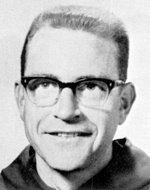
    A picture of Father Feely
    My Story

    By Donald Bondick
    Testimony to the Ohio State Legislature
    November 22, 2005

    First allow me to sincerely thank you, Mr. Chairman, and all of the Judiciary Hearing Committee, ladies and gentlemen, distinguished colleagues, survivors and all of your families for allowing others, including myself, to speak before you today.

    If you will, allow me to take you back in time. The year is 1969 and it’s a gorgeous summer day. The AM radio is propped up in the window of the back screen porch belting out some of the current top hit tunes:

    “Aquarius” - Fifth Dimension
    “Sugar, Sugar” - The Archies
    “I Can’t Get Next To You” - Temptations
    “Honky Tonk Woman” - Rolling Stones
    “Build Me Up, Buttercup” - Foundations
    “Dizzy” - Tommy Roe
    “Hot Fun in the Summertime” - Sly & the Family Stone
    “Everyday People” - Sly & the Family Stone
    “Get Together” – Youngbloods
    “One” - Three Dog Night
    “Crystal Blue Persuasion” - Tommy James & the Shondells
    “Crimson & Clover” - Tommy James & the Shondells
    “I’ll Never Fall in Love Again” - Tom Jones
    “Get Back” - The Beatles
    “In the Ghetto” - Elvis Presley
    “Hurt So Bad” - The Lettermen
    “These Eyes” - The Guess Who

    This was supposed to be the summer of love. This summer was going to be unforgettable.

    Donald, 13 years old, was bouncing a tennis ball against the side of a garage playing catch by himself because his big brothers and sister were out doing other things. But that’s ok - this was a kid who had not only the whole yard but the world to himself. It was a time for innocence. This was the summer of his youth. The words to the Archies’ song “Sugar, Sugar” drifted from the back screen porch. This was the summer of his innocence. Sadly, it was to be the last.

    Donald had his first crush that summer too. Her name was Kim. Kim thought Donald was cute. She liked to go for walks. They’d hold hands, talk and listen to each other. Donald liked holding hands with Kim - and vice versa. Holding hands! Remember how scary and special that felt all at the same time?

    They haven’t kissed yet but maybe, just maybe, they will this summer.

    The local priest gets out of the car, yells to Donald in the back and waves as he approaches the front steps and rings the doorbell. Donald waves back and smiles. This is the priest that helps with CYO, the local Catholic Youth Organization at the nearby parish where he, his brother Mike and all of his friends, play basketball. He is a priest, friend, mentor, chaperone and Shepherd that graces this family with his presence at numerous meals and watches the Bears football on Sundays with Donald’s Dad, John. His name is Father Ted Feely.

    Soon Donald’s Mother calls out the back door for him to come inside. When he gets inside, his Mother and Father Ted are sharing a cup of coffee. She tells him, “Father Ted has stopped by to see if you would be interested in going to the Wisconsin Dells for a week?” Donald cannot believe his ears – Wisconsin Dells?

    That was like the Disneyland of the Midwest at that time. The answer took all of a microsecond and it was a resounding “Yes!” His mother stated that it would be okay as long as it wasn’t a financial burden on Father Ted, who had insisted that all expenses be covered by him.

    The next day Father Ted arrived early to pick up Donald and headed off for the long drive to the Dells. Just before Donald left, his Mother hugged and kissed him. She whispered in Donald’s ear, “You make sure this lasts the whole week, be good and I love you,” slipping him a $20 bill. She also told him to listen to Father Ted and to obey him. He assured her that he would indeed make it last and that he would listen to Father Ted. Obey him? When didn’t Donald or Mike obey Father? They always did. This was the first and longest time that Donald was to be away from his Mother. Up to this point, it was the most money he had ever been entrusted with. Bread was twenty cents a loaf, gas was thirty cents per gallon and a new car cost $2,000. For a family of seven, this was an obscene amount of money.

    On the five-hour ride up to the Dells, Father asked Donald lots of questions, about his friends, brothers, school, sports and life. He also spoke to him about entering the priesthood and what a fine priest he would make. Donald told him he already had aspirations of becoming a priest because his cousin, Father Russell, was a priest in Milwaukee, Wisconsin. Father Russell had spoken to Donald many times about the priesthood and had planted that seed years ago. Father Russell was a true friend and knew Donald would be a good leader and Shepherd.

    Donald noticed Father Ted chain-smoked Camels, one right after another. Father Ted offered him a cigarette and he refused, telling him that he had asthma since he was two years old. Donald just rolled down the window and let the fresh air in to help eliminate the smoke in the car. Father Ted swore as he spoke. Donald had never heard him speak this way before. He said swear words and even a few “God Damns” when people cut him off on the highway. Donald knew that was the ultimate sin – a mortal sin – taking God’s name in vain. He told Donald that it was all right for him to swear when they were together and that it would be “their secret.” Again, he asked Donald if he wanted to try a smoke. He refused a second time and told Father, “No, thanks.”

    The first thing they did was have lunch upon arriving in downtown Wisconsin Dells. It was relaxed and Father told “dirty jokes” over lunch at the diner across the street from their hotel, the Top Hat. Donald found this kind of strange because Father had never done this before in front of his parents over Sunday dinners. Donald thought Father Ted was acting like “one of the guys” when he and his buddies would go to the local hamburger stand and tell stories and laugh the afternoon away, while meeting other friends.

    After lunch, Father Ted told Donald that he needed to take his daily nap. He informed Donald that if he didn’t get his afternoon rest, he would get “mean.” The priest told Donald he could explore all of downtown if he so desired. He also informed him not to “talk to any strangers.” Donald laughed and told Father Ted he knew all about not talking to strangers – and running the other way. They parted and as Donald looked down the street there were antique shops, curio and souvenir shops, novelties and the local drug store and of course, pinball arcades! It was the biggest, coolest arcade he had ever seen. Father Ted had given him $40 with no instructions other than to “enjoy himself” and return in time for dinner. Wow - $40!

    John, Donald’s Dad, had prohibited him from foolishly wasting money on anything as ignorant as pinball. Father Ted knew this to be the case because John had expressed this to him in one of many of their Sunday after-dinner chats. Donald walked into the arcade and gazed in awe at all the pinball machines the same way a compulsive gambler might search out the best slot machine at Bally’s in Vegas or Atlantic City. He saw on every machine “three games for a quarter” and thought to himself, “I have died and gone to pinball heaven.” Donald quietly played pinball with other teenagers and by himself for over four hours without so much as stopping to go to the bathroom. He thought to himself that it was all right to talk to kids his own age - they weren’t “strangers.” He also thought to himself that everything was truly right in the world – his world, this world.

    Four hours later and exactly $40 lighter (he knew better than to spend any of his $20 on pinball), he walked into the Top Hat motel. He asked the clerk which room Father Ted was in and the clerk replied, “Your Dad is on the second floor in room 210.” Donald chuckled to himself that Father Ted had probably told the clerk that he was his son. Why would he do such a thing? As he approached the room the door was slightly ajar, television blaring, and he knocked hard on the door. Father Ted yelled for him to enter and as to why in the hell he was knocking on the door. He walked in the room and it was a large television viewing area, small table for eating, refrigerator, etc. Donald continued walking straight ahead and noticed the large king-size bed and bathroom.

    “Hey – Father, where am I supposed to sleep?” he asked. Father Ted told him he was sleeping right there in the bed. Donald asked where Father was sleeping. He pointed at the bed and stated, “Right there.” He explained that one big bed was cheaper than two bedrooms and Donald never gave it another thought.

    The rest of the night Father Ted took Donald on amusement rides, horseback riding, eating all the wrong things, cotton candy, Cokes, burgers and elephant ears. They laughed and had a good time. Father Ted even convinced Donald to try one of his Camel cigarettes but it was all right because it was “their secret.”

    The world was abuzz for Donald in this playground of the Midwest. Before returning to the motel that night, Father Ted stopped at the liquor store and bought a fifth of Ballentine’s scotch and a six pack of Budweiser. Donald thought this was weird because Father didn’t like beer. He was a drinker strictly of scotch and wine at Sunday masses. Getting back inside the room around 10:30 P.M. he sat down and poured himself a scotch on the rocks. He instructed Donald that the beer was all his and he could have as many as he wanted.

    Again he told him that it was “their secret.” After the third or fourth beer, Donald stated he was going to bed and staggered right to the bedroom, put on his pajamas and went to bed. It had been an exceptional day being a grown up.

    When Donald awoke at 2:00 A.M., it wasn’t because of an asthma attack.

    Father Ted already had him in a choke hold with his left arm, was deep inside of him and was masturbating him with his right hand. Donald fought for his life – he fought as hard as he possibly could. But Father Ted was stronger and just whispered in his ear, “Don’t worry – it’ll be over soon.” Donald cried, and cried and cried because it hurt so much. Where was Jesus now? Why would he allow this to happen to him? And for a moment, it was as if Donald was floating high above the bed looking down at this evil, sick embrace by this monster, this priest, this – stranger. He heard his Mom and Dad’s voice and Father Ted’s voice repeating, “Don’t talk to strangers, don’t ever talk to strangers.”

    After Father Ted came inside of Donald, he withdrew and whispered in his ear, “I knew you were different than the others, I could tell.” This was the summer of love, the summer of fun. Not anymore.

    Donald immediately got out of bed when Father Ted relaxed his death grip on him and ran to the bathroom barely making it. A flood of feces, blood and semen rushed out of him. He thought, “Oh my God – I’m dying.” He then turned, dropped to his knees and vomited, choking on some of it. He knew for sure he was dying.

    Donald washed himself with soap and a washcloth and exited the bathroom. He went straight to the living room and lay on the couch not understanding what had just happened. Father Ted never asked if he was all right. He just went back to sleep in his big, comfortable bed. Donald knew he was far from being “all right.”

    The next morning Donald was in the shower and rivulets of bright red blood were running down his leg, spinning down the drain. Father Ted opened the bathroom door. “Hey, do you need any help in there?” he asked. Donald looked up from shampooing his hair and saw a naked man – correction – a naked erect man through the clear shower curtain, standing in the doorway masturbating. He yelled, “Get the hell out of here before I kill you!!” Father Ted replied, “Ok, Ok, I’m sorry – I’ll leave you alone.” But he didn’t. Father Ted continued stroking his erection in the doorway while watching Donald shower. When he was finished he moaned, wiped himself, exited the doorway and closed the door. Donald thought to himself, “My God, my God – please don’t leave me. Protect me – please.”

    Nothing was spoken between the two and there was a dead silence between them. At breakfast, Donald ordered eggs, bacon, toast and juice. Father Ted ordered oatmeal. Donald asked Father Ted why he didn’t order eggs. Father told him, “The egg whites remind me of cum.” Donald thought to himself, “Oh my God – that’s what must have come out of me last night.” Egg whites, semen, ejaculate sperm or as Father had eloquently put it, “cum.” Donald really hated this person sitting across from him. He was evil. He was a monster.

    After breakfast, Father Ted told Donald he was tired and was going back to the motel to rest. He then gave Donald $100. A hundred-dollar bill - something he had never held before that moment. He told him to stop back to the motel just before evening dinner and unleashed him on the Wisconsin Dells once again.

    Donald walked around the Dells and felt different from everyone else. He felt independent and alone all at the same time. He asked himself who could he call, who could he tell what happened less than eight hours ago alone in that room with the monster? The answer was nobody. He didn’t want anyone to know that this priest, this monster with his huge dick, had raped him. Had in a sense - screwed him. Donald just knew that he had to stay far away from Father Ted the entire week. Donald went to the arcade and played pinball all day long. He gave money to other kids. He didn’t want this money. Because it was his money. The monster’s money.

    The second night Donald stayed on the couch and refused to go in to the bedroom.He drank coffee and fought to stay awake to protect himself. He held a shoe in his hand just in case the monster came back. Donald eventually fell asleep with his head on the armrest and awoke to a creaking sound. It was the monster coming at him in the dark, naked with his huge, erect penis just inches from his face.

    Donald bolted upright and yelled, “Get the hell away from me or I’ll kill you!!!” And you want to know something? He meant every word. Father Ted stated he was just “checking on him” and retreated back to his bedroom. Donald told himself that he must stay awake tonight and every night.

    The next morning, another $100, another set of instructions when to return. This went on for five days until the return back to Rockford, Illinois. Rockford seemed so far away. Father Ted told Donald that what happened between them was their secret and that if he told his parents anything – it would destroy them.

    He also told Donald that it would destroy his family as he knew it to be. He also told him nobody would believe his story because everybody loved Father Ted, their local Shepherd.

    Upon returning home, Donald’s Mother, Hilda, asked him if he had behaved himself and had a good time. He smiled and assured her he had indeed. It was good to be home away from the monster. Father Ted was gone for the moment but Donald was never, ever safe again.

    Distinguished ladies and gentlemen, how would you feel if someone you trusted one hundred percent and unconditionally, came in to your home and brutally raped and choked your son, daughter or grandchild and changed the course of their life forever?

    There has to be some recourse by which all survivors of sexual abuse can seek justice. I pray you will search deep in your hearts, your souls and make a just and fair decision on Ohio SB - 17 and pass it in its entirety.

    Donald, the teenage boy and inner child, thanks all of you and Donald’s wife Lorrie, who couldn’t make this journey – my wife, my partner, my soul mate and my best friend - thanks you from the bottom of her heart for listening to this story. The story from the summer of 1969.

    Respectfully submitted today on behalf of the following:

    Lorrie and our beautiful son, Joe Bondick; Hilda Bondick; my sister Ann Field; my brothers John, Mike (who was also attacked by Fr. Ted Feely), and Tony; and for my Father, John Stanley “Brown Eyes” Bondick, who never knew of my abuse and died in my arms on June 22, 1997.

    Donald Bondick
    Rockford, IL

    [Editor's Note: In addition to Donald, whose story is told above and his brother Mike, it would seem Fr. Feely was an active predator who molested most of the boys in his parish at one time or another over the years. Here is the account of another boy, age 12-13 who Fr. Feely took on a weekend trip to Wisconsin Dells. PAT]

    http://www.rockrivertimes.com/index.pl?cmd=viewstory&id=10720

    Thomas White was relaxing in the sweat room at his local health club when muffled noises came from behind the blurry transparent door. He peered through the hot mist surrounding him. Through the door, White could make out a man bending forward, his face contorted.

    White squinted, not sure what he was seeing. The man swayed back and forth as a hand reached from behind him, grabbing his naked shoulder. White felt horrified, finally recognizing the sodomy happening before his eyes.

    White bolted out of the steam room and into the shower farthest away. His goal was to wash away his sweat and leave as quickly as possible.

    White’s terror turned to panic as a man stepped from behind the bent-over man. This man walked past White with an erection. White recognized him as a cleric from his boyhood church.

    “Oh my God!” White murmured to himself, before dashing away and escaping into the locker room. He dressed hurriedly, not fully believing what he had seen.

    White pulled on his clothes. He heard other men in the locker room calling his former cleric by name as he, too, exited the showers, confirming White’s recognition.

    White left the health club and took refuge in his car, not sure what to do, only knowing he needed to speak with the cleric.

    White watched as the man who had been sodomized exited the gym. A few minutes later, his former spiritual leader opened the door. White sat and watched the man get into his car and drive away.

    White followed the cleric all the way to his house, confronting him at the front door of his home.

    “How you doin’, Jerry?” asked the cleric.

    “I’m not Jerry. My name is Thomas.”

    “Oh, I remember you from church.”

    “I saw what you did with that man back there in the health club in the shower.”

    “Which one?”

    “The man that you were anally copulating.”

    The cleric replied, “That man’s been after me for a long time.”

    White said, “As I saw it, you were sodomizing him.”

    White began to cry. Through his tears, he said, “I was abused by Father Ted-”

    “Feely,” finished the cleric. “He was a Franciscan.”

    White asked, “How much did you know about the abuse going on in 1969?”

    The cleric replied, “I didn’t know too much.”

    White continued to cry as the religious leader stood with his head down.

    After a long pause, the cleric stated, “You taught me a valuable lesson.”

    “How’d I do that?”

    “You taught me not to do such foolish things in public places.”

    White stared at the one who was supposed to always protect him and show him the true path in life. “I’ll pray for you,” White said to the cleric.

    Thomas White walked away.

    Thomas White was born in Rockford in the mid-1950s, a light haired, brown-eyed innocent. His parents were hard working, blue collar, religious, strict Polish-Italians. He had four siblings, three older than he.

    White enjoyed a relatively normal childhood, although there were some family problems. His father was an alcoholic, albeit a functioning one. He and his wife both worked for a local manufacturing company for more than 30 years, living paycheck to paycheck, but creating a life for themselves. His mother was a devout Catholic, but his father had not attended church services since the eighth grade, for reasons still unknown and questioned by a concerned family. Leaving school and beginning work to help support his family may have been a reason.

    From his very beginnings, White was involved with the church. He was baptized, received first communion, and attended mass regularly at St. Anthony’s of Padua Church, 1010 Ferguson St., Rockford. He attended public school, but maintained his religious teachings by attending the Catholic Christian Doctrine (CCD) starting in seventh grade. He was also involved with the Christian Youth Organization (CYO), which had various activities provided by the church, including basketball, pool, football, and bowling, again starting in seventh grade.

    White suffered from asthma and various allergies from the time he was 2 years old. As a result, although he went to church activities and sports, he was usually sitting on the bench.

    White remembers: “I used to have to watch my brother and his friends running around and swimming in our above-ground pool through a screen door. It was torture.”

    Finally, White’s mother relented and told Thomas to “go swimming.” Swimming strengthened his lungs, and he became more active in sports.

    He did well in school, receiving mostly As and Bs. His parents wouldn’t let him participate in activities if his grades went lower.

    This strictness remained in other aspects of White’s life. He and one of his brothers were forced to quit their paper routes and denied entry into Boy Scouts. Their parents feared pedophiles and flashers, who were making headlines at the time, were too much of a risk for their boys. They had complete faith and trust in their church, however.

    Everything seemed well in White’s life. He was enjoying his youth, doing well in school, and participating in church activities. He even dreamed of becoming a priest, this sentiment spurred by one Father Casimir Cypher of St. Anthony’s and Father Russel Winton in Milwaukee, the brother of a cousin.

    Father Casimir coached boys’ sports teams, and gave advice and direction. He occasionally watched sports with White’s father, came to dinner, and shared a beer. White calls him “a great man of integrity.” Casimir was, unfortunately, tortuously martyred in Honduras in 1975 while doing missionary work.

    Father Theodore “Ted” Feely also watched sports and drank beer with White’s father, and came to dinner. But there was much more to Ted Feely than most people knew.

    Feely, a Conventual Franciscan Friar of the Province of St. Bonaventure in Chicago sent to Rockford in 1969 (his fifth parish in 10 years), has been accused of three alleged instances of sexual misconduct.

    John Clark, a student at St. Anthony’s during Feely’s residence, remembers Feely as “Creepy Feely.” He tells of an instance on the steps of St. Anthony’s Church when he was 13.

    Feely had wanted to show Clark and two of his friends his wristwatch. Feely pulled his sleeve all the way up his arm to do so. Clark remembers, “real skinny, white arms.”

    Feely then proceeded to show the boys the crucifix around his neck. To do so, he opened his cossack wide, revealing his pale chest. The boys walked away, murmuring how “creepy” Feely was.

    “We picked up on the fact there was something off about Feely,” Clark said. “I don’t know why Thomas didn’t.”

    Clark told his older brother about the incident, who warned John to “stay the hell away from that guy.” John did, and eventually ended his relationship with the church at 14, subsequently throwing off his Catholic religion at the age of 18.

    Grooming his alleged victims

    A new Sisters’ Convent was built across the street from St. Anthony’s during Feely’s time at the church. The priests of the parish took turns sleeping there for security reasons. The priests would invite groups of boys for sleepovers. Sometimes they were invited one at a time. When Feely did either, he would allegedly purchase beer for the youngsters.

    Thomas White’s brother George remembers these rebellious nights away from home. George did, however, have reservations about Father Feely. George said Father Feely would allegedly always sleep naked and tried to convince the young boys to sleep bare. George said Feely would tell them: “It’s unhealthy to wear briefs. It’s better for you to sleep naked.”

    The boys would usually sleep in underwear and T-shirts. According to Rockford’s Sexual Assault Counseling (RSAC) Clinical Director Julie Barthels, “These methods are used to groom victims [for future sexual contact].”

    George had looked up to Father Ted. “He did everything with us,” George said. “He took us everywhere. He was a priest being a mentor to young boys.”

    His opinions changed when Feely invited George to sleep at the convent alone. He plied George with scotch. While asleep on a mattress, George alleges he awoke to a naked Feely spooning him. Half asleep, 15-year-old George knocked Feely out of his bed and onto the floor. Feely had an erection.

    George asked, “What are you doing?!”

    Feely mumbled a reply and returned to his own bed.

    George explains of his experiences with clergy: “They were holy men on this earth. You don’t think they’re going to be the predators. You don’t think it’s ever going to happen to you.”

    In an article titled “Child Sexual Abuse: Offenders, disclosures and school-based initiatives—statistical data included,” by Jonathon Fieldman, Feely’s alleged behavior is consistent with a technique called “desensitization.” This method includes “systematic progression in physical and verbal contact, which helps assess risk of discovery,” Fieldman wrote.

    Feely also took to enticing boys to hit him. He claimed a high pain tolerance. In one instance, George punched Feely in the chest after being egged on, releasing rage from Feely’s previous attempted assault. Feely was sent to SwedishAmerican Hospital with three broken ribs.

    After Feely’s assault attempt, he gave George free rein of his car, which shortly after had a ruined transmission, courtesy of George. He also bought George alcohol and gave him money. The threat of repeal of special privileges is a common method used by offenders to maintain victim silence, Fieldman reported.

    These instances were not revealed until 2002. If they had been revealed earlier, Thomas White may have become a different man. Fr. Feely died in 1991.

    Any original material on these pages is copyright © BishopAccountability.org 2004. Reproduce freely with attribution.

    Tuesday, May 09, 2006

    California Episcopalians Elect Straight Man as New Bishop

    Episcopalians Elect Straight Bishop in S.F.
    The Bay Area diocese's decision not to choose one of three gay candidates avoids an increase in tension over homosexual clergy.

    SAN FRANCISCO — Bay Area Episcopalians elected a heterosexual as their bishop Saturday, at least temporarily tamping down rising tensions over the role of gays in the U.S. Episcopal Church.

    Alabama Bishop Mark Handley Andrus, 49, edged out six other finalists, including two gay men and a lesbian, in a process some feared would widen a chasm between the U.S. Episcopal Church and the worldwide Anglican Communion to which it belongs.

    His win answered the central question in a drama that had been closely watched throughout the 77-million-member Communion: whether the Diocese of California's Bishop William Swing, who is retiring in July, would be replaced by the church's second openly gay Episcopal bishop.

    But the battle within the church over human sexuality is far from over.

    Differing biblical interpretations and views on homosexuality are expected to be a focus of the denomination's triennial national convention to be held in Columbus, Ohio, in June.

    On Saturday, after three rounds of balloting at stately Grace Cathedral atop Nob Hill, the three gay and lesbian nominees had garnered the least number of votes cast. Nonetheless, Andrus' victory was hailed as a gain for inclusion of gays and lesbians in the church.

    In a statement conveyed by telephone from Birmingham, Ala., he drew loud applause from the delegates after he assured them that "your vote today remains a vote for inclusion and communion of gay and lesbian people in their full lives as single or partnered people, of women, of all ethnic minorities, and all people."

    "I take this election to be an expression," Andrus added, "of our common desire to be part of the whole, the Communion and the world, in what may be a new way."

    Two houses of electors — one of about 300 clergy, the other of about 400 parishioners — cast ballots. Andrus won 72% of the clergy's vote and about 55% of the lay vote. His selection still needs to be confirmed at the national convention in June.

    In the weeks leading up to the election, one of the openly gay candidates, the Rev. Bonnie Perry of Chicago, had been considered a front-runner. But after the candidates toured the diocese and met with parishioners and clergy last month, various church members said, opinions began to shift.

    Andrus' supporters said his election underlined how the diocese's 27,000 congregants were more interested in selecting the most-qualified nominee than in challenging the authority of the denomination to make an ideological point.

    Among them was insurance attorney Richard Audrey, 69, of Orinda, who responded to the final tally with two thumbs up.

    "Nobody here wants to break up the Anglican Communion," he said. "We had an awesome responsibility today, and we made the right decision."

    The Rev. Pamela Cranston of St. Cuthbert Church in Oakland agreed.

    "I'm thrilled," she said. "Someone said to me that Andrus was a safe choice. I said, 'No, he's a solid choice. He's for youth and the ecology, and he's deeply spiritual.' "

    In any case, John Kater, acting president and dean at the Church Divinity School of the Pacific in Berkeley, which is the only Episcopal seminary in the western United States, said Andrus has his work cut out for him.

    Church attendance in the five-county diocese centered in San Francisco is a dismal 50%, and its mostly white congregation does not reflect the racial and ethnic diversity of the Bay Area it serves.

    Even with the election of Andrus, conservative church leaders were angry that the seven finalists included partnered gays. Like Perry the other openly gay candidates, the Rev. Canon Michael Barlowe of San Francisco and the Very Rev. Robert Taylor of Seattle, have same-sex partners.

    In a telephone interview, Cynthia Brust, a spokeswoman for the American Anglican Council, which has 300 affiliated churches in the U.S., said, "They may have dodged having a partnered homosexual as bishop, but they did little in bringing the church back to the center of orthodoxy."

    The 2.3-million member U.S. Episcopal Church has been trying to stem defections by parishes since its decision in 2003 to consecrate an openly gay priest in a same-sex relationship as bishop of New Hampshire.

    While some praised that choice as a victory for gay rights within the church, archbishops in Africa and conservative church leaders in the United States condemned it as a step away from traditional biblical authority.

    A measure of the ongoing dispute was the verbal sparring last week between a gay rights advocacy group called the Human Rights Campaign and the Rev. Paul Zahl, dean of the Trinity Episcopal School for Ministry in Ambridge, Pa.

    Campaign leaders demanded that Zahl, who believes that gay ordinations violate traditional understandings of biblical morality and teachings, apologize for equating the possible election of a gay bishop in San Francisco with a "terrorist bomb."

    On another front, turf battles have broken out between U.S. Episcopal churches and African churches, which now represent most of the world's Anglicans.

    At least four conservative Southern California Episcopal churches have placed themselves under the jurisdictions of "orthodox" archbishops in Africa who are uncompromising critics of the U.S. denomination's drift toward what they consider heresy.

    By some estimates, 100 more of the 7,200 Episcopal congregations nationwide have expressed an interest in joining up with "orthodox" archbishops in Rwanda, Uganda and Nigeria.

    But it's not just the Episcopal Church.

    A week ago, the regional American Baptist Churches of the Pacific Southwest gave preliminary approval to severing its ties with the American Baptist Churches USA on grounds that the national group has failed to enforce a resolution that says the "practice of homosexuality is incompatible with Christianity."

    "It's tragic whenever the bonds of unity are broken," said the Rev. A. Roy Medley, general secretary of the century-old American Baptist Churches USA. "It's a very difficult time in the life of the church as it seeks to deal with a very divisive issue."

    The proposal to pull away from the church faces a final vote Thursday.

    Separately, a group of rabbis recently postponed until December its vote on whether Conservative Judaism will endorse same-sex unions and the ordination of gay men and lesbians.

    The Committee on Jewish Law and Standards, the Rabbinical Assembly's authority on Jewish law and tradition composed of 25 rabbis and five nonvoting laymen, last addressed such ordinations and unions 14 years ago. It banned both.

    Meanwhile, two groups of religious leaders are speaking on a related issue — a proposed amendment to the U.S. Constitution that would define marriage as the union of a man and woman.

    Cardinal Roger M. Mahony of Los Angeles and 50 Jewish, Episcopal, Orthodox, Lutheran, evangelical and other Roman Catholic leaders signed a petition April 25 urging the Senate to approve the amendment, scheduled to come up for a vote in June.

    "Throughout America, the institution of marriage is suffering," the petition said. "As leaders in our nation's religious communities, we cannot sit idly by. It is our duty to speak."

    In response, the president of the Chicago Theological Seminary, the Rev. Susan Brooks Thistlethwaite, on Monday will join other clergy and scholars in calling on the Senate to reject the marriage amendment.


    Copyright 2006 Los Angeles Times

    Monday, May 08, 2006

    New Gay Marriage Battle Brewing in Massachusetts

    New gay marriage battle looming

    By By Erik Arvidson, Sun Statehouse Bureau
    Lowell Sun

    BOSTON — Thomas Cedrone doesn't view himself as a bigot. Nor does he have personal animosity toward gays or lesbians who want to be married.

    But on an issue as divisive as marriage rights for same-sex couples, the Westford resident said it's become more difficult to voice his own moral objections to gay marriage without being seen as narrow-minded or intolerant.

    “I don't hate the people who are engaged in it. I just have to take a stand and say that it's morally incorrect, and it's against my Christian faith,” Cedrone said. “I do feel like I'm thrown into a group of extremists. My belief about gay people is, ‘It's not you, it's your actions.' ”

    Cedrone added that he's become frustrated by what he sees as the proponents of gay and lesbian marriages “forcing their agenda so that my kids have to learn about it in school.”

    Cedrone was one of about 170,000 people who signed a citizen petition that seeks to put a question on the 2008 ballot that, if approved, would amend the state constitution to say that only heterosexual couples may wed.

    Like many other signers of the petition, Cedrone said he just wants an opportunity to vote on the question. He may get his chance.

    The Legislature may consider the ballot question as early as Wednesday, when lawmakers meet in a joint session of the House and Senate to consider changes to the constitution.

    Last week, a spokeswoman for Senate President Robert Travaglini, who is the presiding officer at the Constitutional Convention, said it's uncertain whether lawmakers will debate the petition on Wednesday.

    Gay-rights activists in January sued Attorney General Thomas Reilly for certifying the anti-gay-marriage petition, saying the state constitution doesn't allow citizens to reverse a ruling of the Supreme Judicial Court. The state's high court heard oral arguments on the case last week, and some lawmakers said it would be premature to debate the ballot question when it could be invalidated by the court.

    The question must be approved by two consecutive sessions of the Legislature before advancing to the 2008 state election ballot.

    Unlike the last time lawmakers had an emotionally charged debate over marriage rights for same-sex couples, it may not be a question of if, but when, this one is approved.

    Because it's a citizen-initiated petition, only 25 percent of the Legislature, or 50 lawmakers, must approve the question for it to go forward. In 2004, when lawmakers approved a legislator-driven measure banning gay marriage but legalizing civil unions, a simple majority of the 200-member Legislature was needed.

    Some gay activists see it as virtually a foregone conclusion that opponents of same-sex marriage will get the 50 votes.

    “As of this moment, they definitely have the votes,” said Arline Isaacson, executive director of the Gay and Lesbian Political Caucus. “I can't tell you how many people I talk to who say, ‘We don't have to worry about this Constitutional Convention.' They're so wrong.”

    Isaacson's group is strategizing over how they might amend the ballot question to make it more favorable for gay and lesbian couples, but they acknowledge doing so will be difficult.

    It takes a vote of 75 percent of the Legislature to amend the ballot question. Most lawmakers agree it's difficult to get a 75 percent majority on anything related to same -- sex marriage.

    Kristian Mineau, president of the Massachusetts Family Institute, which is driving the ballot-question campaign, said he has “a very high level of confidence” that the petition has enough votes to pass.

    “We just finished collecting the greatest number of signatures ever for a ballot question in Massachusetts history,” Mineau said. “People are more electrified on this issue than on taxes.”

    In February 2004, House and Senate lawmakers debated a measure — which was defeated — to ban same-sex weddings but to say that the Legislature “may” adopt civil unions in the future. That proposal failed on a 100-to-98 vote.

    Of the 98 lawmakers who voted in favor of it — those who are seen as the most conservative-leaning on the issue of gay marriage — 15 have since departed, and 83 are still in the Legislature.

    State Rep. Colleen Garry, D-Dracut, who opposes full marriage rights for gay and lesbian couples, said she wants the Legislature to vote on the ballot question as soon as possible, but thinks it will be delayed.

    “I think this is a ploy to delay a vote. The gay and lesbian groups see the writing on the wall of where the public seems to be, and they'll do anything to prevent it from happening,” Garry said.

    Rep. James Eldridge, D-Acton, a gay-marriage supporter, said citizens have a right to directly petition to change the constitution, but the Legislature should have the final say on what goes on the ballot.

    “It's not just about how the voters feel, but there's also the Legislature that needs to vote on the referendum. Just as I respect a voter's right to vote as they wish, I hope that same respect is given to me as a legislator,” Eldridge said.

    Erik Arvidson's e-mail address is earvidson@lowellsun.com .

    Bible College Student Torches Adult Bookstore to Serve God

    KNOXVILLE, Tenn.

    A student from a small independent Bible college claims he set fire to an adult bookstore to serve God, but now realizes it was a sin and has confessed, police say.

    Crown College student Benjamin Daniel Warren, 20, has been charged with arson in the Jan. 31 burning of the Town and Country Bookstore near his home. Crown College is a fundamental Baptist college and seminary of about 900 students in Knoxville.

    Warren waived his right to a preliminary hearing Tuesday, sending the case on to a Knox County grand jury to decide if he should be tried for the crime. His attorney, Chris Coffey, did not immediately return a call for comment Friday.

    Authorities say a man wearing black clothing and a ski mask, carrying a large can of gasoline and what proved to be a fake gun, entered the bookstore and asked the clerk if anyone else was inside. Assured the store was empty, he ordered the clerk to leave to avoid being hurt.

    An arrest warrant says the suspect poured about six gallons of "an ignitable liquid" inside the business and set it on fire. No one was injured, but the fire destroyed $600,000 in merchandise and caused up to $300,000 in damage to the building, owner David Stubbs said.

    Police had no clue to the masked man's identity until Warren surrendered April 11following an automobile accident and gave a statement.

    Warren told authorities he thought he was serving God by destroying what he viewed as a pornography peddling business. But the car wreck convinced him that God was punishing him for the arson and led him to confess, his statement said.

    "It's his religion that taught him to hate this sort of thing," said Jennifer Collins, who manages another adult bookstore owned by Stubbs. "Religiously motivated crimes are types of hate crimes, and it should be treated that way."

    Thursday, May 04, 2006

    Why Kent State is Still Important Even Today

    by Michael Corcoran

    THIRTY-SIX years ago today, Ohio National Guardsmen shot 13 college students at Kent State University who were protesting US incursions into Cambodia as part of the Vietnam War. Nine victims survived, including one who is confined to a wheelchair for the rest of his life. Four students -- Jeffrey Miller, Allison Krause, Bill Schroeder, and Sandy Scheuer -- were killed.

    The students were unarmed, and the closest was more than 60 feet away from the Guard at the time of the shooting. There was no warning shot; the National Guard never issued an apology; and no one ever spent a day in jail for the killings despite the fact that the President's Commission on Campus Unrest, appointed by President Nixon in 1970, found the shootings to be "unwarranted and inexcusable."

    Yearly, since the tragedy, Kent State students, alumni, and others have met on the anniversary of the shooting to reflect and remember. Alan Canfora, who was shot by the Guard, says, "The students today act as the conscience of the college, and the country . . . just like the students did in 1970."

    This year's memorial will come, as the last three have, in the midst of a war that has become increasingly divisive. While the memory of Kent State and other violent clashes from that time between protesters and authorities did not deter the incumbent president from leading the country into another unpopular war, it is important to honor Kent State's spirit of dissent and what it taught about the bloody consequences of intense division.

    Halfway across the country, the lessons of Kent State are taught each semester in debate classes at Emerson College. J. Gregory Payne, associate professor of organizational and political communication and a Kent State historian, has been teaching students about history, advocacy, and rhetoric through the lens of Kent State for decades.

    According to Payne, remembering this tragedy is important because "Kent State is not about the past -- it's about the future."

    Consider the similarities: In 1970, just as today, we had an unpopular president carrying out an unpopular war for questionable reasons.

    Richard Nixon and George W. Bush embody many of the same divisive characteristics. Bush tells the world: "You are with us or you are with the terrorists." Nixon's public statement after the shootings blamed the students: "When dissent turns to violence it invites tragedy."

    Again our civil liberties are being threatened. Bush has ordered the wiretapping of US citizens without a warrant and holds detainees indefinitely without trial; Nixon was spying on student activists and what he called "domestic radicals."

    But, perhaps the most telling comparison is the sharp division within the nation, both then and now. Americans are now, as we were then, split to the core on matters of war and peace, life and death, and cultural values. The President's Commission concluded it was "the most divisive time in American history since the civil war." Bill Schroeder's parents received signed letters after the shooting saying, among other things, that their "riot-making, communist son" deserved to die.

    Today antiwar protesters are unfairly discredited by the administration as they were in 1970. When Cindy Sheehan took antiwar positions after her 24-year-old son, Casey Sheehan, died in Iraq, she was smeared by pundits like Bill O'Reilly, who said she was a pawn of "far-left elements that are using her" and that Sheehan was "dumb" enough to let them do it.

    Of course, the absence of a draft now and its presence then may explain why the antiwar movement during the Vietnam War had a greater intensity then it does now. Still, as the protests in New York City last week indicate, the longer the war in Iraq drags on, the more vehement the opposition seems to get.

    Musicians, once again, are singing songs of dissent. Last Friday Neil Young, who in 1970 wrote "Ohio" in reaction to the shootings, began streaming a new antiwar album "Living with War" for free on his website. Days later, Pearl Jam also released an album made up entirely of protest music.

    My generation can't ignore the lessons of Kent State. The same mindset and failure in leadership that led National Guardsmen to fire at students of the same age and from the same Ohio hometowns is similar to what led US soldiers to torture detainees in Iraq.

    Kent State should remind us of what happens when a grossly misguided war divides a country. If we can speak candidly and openly about our history and our present -- even the worst elements of it -- then we can ensure that the lives lost on May 4, 1970, were not in vain.

    Michael Corcoran is a journalism major at Emerson College.

    © Copyright 2006 Globe Newspaper Company.

    Source: The Boston Globe
    http://www.boston.com/news/globe/editorial_opinion/oped/
    articles/2006/05/04/why_kent_state_is_important_today/

    California Episcopalians May Elect Another Gay Bishop

    Two recent reports on the situation of gay bishops in the Episcopal Church:
    The first from the Christian Science Monitor for May 4, the second from a recent Associated Press report:

    http://www.csmonitor.com/2006/0504/p02s01-ussc.html

    Episcopalians face key votes over gays
    An election Saturday of a California bishop may force the hand of the US church, set to decide its stance in June.

    By Jane Lampman | Staff writer of The Christian Science Monitor

    Several Christian and Jewish denominations have been divided over issues of homosexuality, but none has come as close to schism as the global Anglican community, and its US branch, the Episcopal Church.

    For three years since the US church approved the ordination of a gay bishop, the worldwide Anglican Communion has sought ways to avoid a devastating split. It has called on the church to express regret and to refrain from such steps in the future.

    Next month, the church's 2006 general convention will meet and decide on a response, but parishioners in California could force its hand as early as this weekend. The Diocese of California votes Saturday to elect a new bishop and, in what some view as a provocative step, three of the seven nominees are gay or lesbian pastors living in committed relationships.

    "The diocese has sent an important message to the church, that it was committed to presenting the best possible slate of qualified nominees and ... that gays and lesbians should not be excluded," says the Rev. Susan Russell, president of Integrity, a church group advocating gay inclusion.

    The Episcopal convention must approve or disapprove the choice.

    Conservative groups in the US, long distressed over failure to stop the ordination of gay and lesbian priests, were outraged by the nominations, calling them an act of defiance.

    "California is at risk of making a really bad situation even worse," says the Rev. Kendall Harmon, canon theologian of the South Carolina diocese. "A determined minority in the leadership is committed to this new theology. We are part of a worldwide family, and the vast majority not only don't embrace this theology, they don't begin to understand it."

    After the 2003 convention confirmed an openly gay bishop, the Rev. V. Gene Robinson, and voted to allow dioceses to perform same-sex unions, a small group of US conservatives formed the Anglican Communion Network.

    Refusing to accept the leadership of bishops who approved actions they viewed as contrary to Christian doctrine, they established close ties with Anglican leaders in developing countries, who felt similarly betrayed.

    With the majority of the 77 million Anglicans now residing in the developing world, Nigerian Archbishop Peter Akinola became the most prominent spokesman for conservatives. The leaders warned of schism unless the US church repented and adhered to traditional teaching.

    To head off a break, a 2004 Communion report proposed a course of action involving a "pilgrimage toward healing and reconciliation." Along with proposals for a new covenant among Anglicans, it rebuked the Episcopal Church and called for an apology and a commitment to moratoriums on ordaining gay bishops and rites for same-sex unions.

    While the intensity of the reaction stunned some in the church, others see it as a repeat of the debate over ordination of women in the 1970s.

    "We recognize [gay ordination] is a minority perspective in the Anglican Communion, but so was our position on women's ordination in 1974," says Ms. Russell. "To go back to Scripture, 'If it's of God, it will flourish,' and I would say those '70s decisions have flourished in the church." Episcopalians recently selected their 13th female bishop.

    Many Episcopalians feel caught in the middle, perhaps concerned about events but prizing unity. At Church of the Good Shepherd in Brentwood, Tenn., "some members left after the 2003 convention because I disagreed with the action, and others because I didn't rant and rave about it enough," says the Rev. Randall Dunnavant. "But I'm not going to leave the church over it."

    To prepare for the June meeting, a special commission has drawn up 11 resolutions designed to "maintain the highest level of communion within the Anglican Communion given the different perspectives." On the election of bishops, the resolution proposes "exercising very considerable caution" in selecting people whose "manner of life presents a challenge to the wider church." The resolution on public rites of blessing for same-sex unions calls for "not proceeding to authorize public rites ... until some broader consensus" emerges in the global body. It suggests that bishops who have already authorized such rites "heed the invitation to express regret.

    Dr. Harmon calls the document "a giant fudge ... which essentially says 'We really care about the Communion, but we're going to continue doing what we want,' " though he sees small steps toward accommodation.

    The Rev. Ian Douglas of Episcopal Divinity School in Cambridge, Mass., a commission co-chair, says the aim was simply to get the convention conversation started. "We've been accused of fudging by one side and selling out by the other," he says. "People ... want to draw a line in the sand, to create a win/lose situation, but it's a more complex and dynamic process of discernment we're engaged in to be faithful to what it means to be part of a global body of Christ."

    If California selects a gay or lesbian bishop, the win/lose situation looks unavoidable. If it does not, the convention will have to sort out the ambiguities.

    The Archbishop of Canterbury, head of the Anglican Communion, was far from ambiguous in a recent speech: "If there is ever to be a change in the discipline and teaching of the Anglican Communion on this matter, it should not be the decision of one Church alone."

    http://www.csmonitor.com | Copyright © 2006 The Christian Science Monitor.

    ========================================

    By KIM CURTIS

    What's left of unity in the Episcopal Church is at stake heading into a weekend election for bishop of California that sets up a major clash over gays' role in the church.

    Three of the seven candidates are openly gay, and choosing one of them to head the Diocese of California would further alienate Episcopal conservatives already feeling betrayed that the church approved a gay bishop three years ago. It could also fracture the strained relationship between America's 2.3 million Episcopalians and their parent body, the worldwide Anglican Communion.

    A vote against a gay bishop would likely preserve the fragile truce.

    The Rev. Paul Zahl, dean of the conservative Trinity Episcopal School for Ministry in Ambridge, Pa., likened the election of a gay bishop in California to "a terrorist bomb, which is timed to destroy a peace process."

    Anglicanism, which includes the U.S. Episcopal Church among its 77 million followers in 164 countries, has been torn over the issue of gay clergy for years.

    In 2003, New Hampshire Episcopalians elected the Rev. V. Gene Robinson, who has a longtime male partner, as their bishop. A year later, an international Anglican panel asked U.S. dioceses to stop installing bishops in same-sex relationships for now, and requested that the Episcopal Church show "regret" for the turmoil its actions had caused.

    On Saturday, about 700 priests and lay people will gather for a special diocesan convention at Grace Cathedral in San Francisco to elect a new bishop to replace the retiring Rev. William Swing.

    Among the candidates they'll consider will be two gay men — the Rev. Canon Michael Barlowe of San Francisco, and the Very Rev. Robert Taylor of Seattle — and a lesbian, the Rev. Bonnie Perry of Chicago. All three live openly with same-sex partners.

    The four other candidates are: the Rt. Rev. Mark Handley Andrus of Birmingham, Ala.; the Rev. Jane Gould of Lynn, Mass.; the Rev. Donald Schell of San Francisco; and Canon Eugene Taylor Sutton of Washington National Cathedral.

    The delegates know their actions will be closely watched by Anglicans around the world. But conservative Canon Bill Atwood of the Ekklesia Society, an Episcopal aid network based in Carrollton, Texas, predicts the Californians will "totally ignore the consequences" of their actions.

    "I don't think there's any question they'll be compelled to elect a partnered gay," Atwood said. "I think they've got a mistaken understanding of issues of justice. Huge portions of the Episcopal Church are theologically adrift.

    "I'm not saying there isn't religion, but it's not the historic Christian faith."

    Episcopalians who support ordaining gays disagree. They say that in biblical times, there was no understanding that homosexuality was a natural orientation and not a choice, and that Scripture condemning homosexuality should not be interpreted as barring monogamous gay relationships.

    The Rev. Susan Russell of Integrity, the national gay and lesbian Episcopal caucus, said the Diocese of California has no obligation to elect a heterosexual as the Communion struggles to remain unified. She argued that a "radical conservative fringe" within Anglicanism is determined to bring about a split no matter what concessions the American church makes.

    "For any elector to allow the current political climate in the global church to hamstring the Holy Spirit would be working against who we are when we're at our best as a church," Russell said.

    The seven nominees spent much of April touring churches and meeting parishioners. They were asked not to give any interviews in the week before the election.

    On Saturday, delegates will cast their ballots until one of the candidates gets a simple majority of the votes. If no winner is declared, voting will continue the following Saturday, May 13.

    The winner cannot be consecrated without approval from the Episcopal church's legislative body, the General Convention, which meets in June.

    The Convention has a long history of deferring to dioceses' choice of leadership, but the head of the denomination — Presiding Bishop Frank Griswold — warned last month it would create "definite difficulty" between Episcopalians and the rest of the Anglican Communion if California elects the church's second openly gay bishop.

    The Communion lacks an authoritative leader, someone who functions as the pope does for Roman Catholics, for example. Each province within the Anglican Communion can make its own decisions and Griswold, whose term ends later this year, has repeatedly expressed the desire to remain part of the Communion.

    An Episcopal panel studying the issue proposed last month that dioceses use "very considerable caution" in electing bishops with same-sex partners, but it stopped short of a moratorium. That recommendation is among several the General Convention will consider at its meeting June 13-21 in Columbus, Ohio.

    On the Net:

    http://bishopsearch.org


    Copyright © 2006 The Associated Press.

    Sunday, April 30, 2006

    Open Your Eyes and Open Your Heart

    A soldier was finally coming home from the war in Iraq. He called his parents from San Francisco.

    "Mom and Dad, I'm coming home, but I've a favor to ask. I have a friend I'd like to bring home with me."

    "Sure, they replied, we'd love to meet him."

    "There's something you should know," the son continued, "he was hurt pretty badly in the fighting. He stepped on a land mind and lost an arm and a leg. He has nowhere else to go, and I want him to come live with us."

    "I'm sorry to hear that, son. Maybe we can help him find somewhere to live?"

    "No, Mom and Dad, I want him to live with us"

    "Son," said the father, "you don't know what you're asking. Someone with such a handicap would be a terrible burden on us. We have our own lives to live, and we can't let something like this interfere with our lives. I think you should just come home and forget about this guy. He'll find a way to live on his own."

    At that point, the son said 'thanks' and hung up the phone. The parents heard nothing more from him until a few days later, however, they received a call from the San Francisco police. Their son had died after falling from a building, they were told. The police believed it was suicide.

    The grief-stricken parents flew to San Francisco and were taken to the city morgue to identify the body of their son. They recognized him, but to their horror they also discovered something they didn't know, their son had only one arm and one leg.

    The parents in this story are like many of us. We find it easy to love those who are good looking or fun to have around, but we don't like people who inconvenience us or make us feel uncomfortable. We would rather stay away from people who aren't as healthy, beautiful, or smart as we are.

    Caring unconditionally for all under the Sun and reminding you the most important spiritual message for us all is to follow God's example and love people unconditionally.

    Hypocritical Rush Limbaugh's Drug Abuse

    Topic: Laws, the Courts and the Legal System, as they apply to hypocritical right wingers like Rush Limbaugh:


    by Ellis Henican, Newsday

    You can't accuse the prosecutor of rushing to judgment. This has to be the most carefully investigated criminal case in drug-war history.

    And now we know what Rush Limbaugh stands accused of - violating the drug laws of the state of Florida. And we know the precise allegation that supports the conservative talk-show host's arrest.

    It is "doctor shopping," fraudulently and illegally concealing information from multiple doctors to obtain massive doses of prescription painkilling drugs.

    Prosecutors seized Limbaugh's records after learning that he received about 2,000 painkillers, prescribed by four doctors in six months, at a pharmacy near his Palm Beach mansion.

    Limbaugh's attorney, Roy Black, says his client's arrest on Friday is all part of a plea deal in which the case will ultimately be dismissed if Limbaugh pays a fine and stays in drug treatment for 18 months.

    Pretty sweet deal, huh?

    But is this punishment enough for someone who violates the drug laws?

    I certainly think so. If Rush hurt anyone with voracious OxyContin gobbling, it was mostly himself.

    Is treatment more effective than prison time? Usually, yes, all the research says.

    But what does Rush think? Is he a drug-war dove or hawk? Where does he stand on coddling drug users like himself?

    Well, the usually talkable radio host wasn't talking at all when he walked out of the office of the state's attorney in West Palm Beach late Friday afternoon after posting $3,000 bail.

    But thankfully, Rush has been quite chatty in the past on the issue of illegal drug use and its appropriate punishment. He's no druggie softie, that's for sure.

    Actually, it turns out that Rush Limbaugh is quite a law-and-order guy when it comes to America's drug miscreants. So he must be steaming mad about the - let me use the word - liberal disposition of his own case.

    "Let's all admit something," Limbaugh said on his short-lived syndicated television show almost 11 years ago.

    "There's nothing good about drug use. We know it. It destroys individuals. It destroys families. Drug use destroys societies. Drug use, some might say, is destroying this country."

    So far, so good. And Rush was just warming up.

    "And we have laws against selling drugs, pushing drugs, using drugs, importing drugs," he said. "And the laws are good."

    That's right, he said "the laws are good."

    Good why?

    Rush Limbaugh explained. "Because we know what happens to people in societies and neighborhoods which become consumed by them. And so if people are violating the law by doing drugs, they ought to be accused and they ought to be convicted and they ought to be sent up."

    Accused? Convicted? Sent to prison? People who disobey the drug laws?

    Now those are words Rush Limbaugh must regret saying.

    The date was Oct. 5, 1995. I quoted these words in a column when Rush was first being investigated. So much time has passed since then, I guess I have to quote them again.

    Rush was on a tear that day about the threat of illegal drugs. And he put the issue in stark racial terms. Blacks and whites break the drug laws in roughly equal numbers, he said, adding that black drug users go to prison far more often than the white ones do.

    But that doesn't mean police and prosecutors should ease up on the blacks, Limbaugh roared.

    "What this says to me," he told his viewers that night, "is that too many whites are getting away with drug use. Too many whites are getting away with drug sales. Too many whites are getting away with trafficking in this stuff. The answer to this disparity is not to start letting people out of jail because we're not putting others in jail who are breaking the law. The answer is to go out and find the ones who are getting away with it, convict them and send them up the river, too."

    Funny, he didn't sing the praises of treatment.

    He didn't come out in favor of 18-month dismissal deals.

    He certainly didn't speak up for liberal drug policies.

    And here we are, and there he is.

    Copyright 2006 Newsday Inc.

    Source: Newsday
    http://www.newsday.com/news/columnists/ny-nyhen304722336apr30,0,5672935.column

    Friday, April 28, 2006

    The Star Spangled Banner Presented to Mexican Immigrants


    [Blog Editor's Note: Some big news as we aim for May 1, the International Workers Day is the translation into Spanish of our National Anthem, The Star Spangled Banner. Written in 1814 by Francis Scott Key, this became our national anthem by a work of congress in 1931. Translations of existing works are sometimes difficult to do, so Gerald Erichsen will begin by presenting us with four translations, equally valid, then we will continue the discussion.]


    'The Star-Spangled Banner' in Spanish
    From Gerald Erichsen,Your Guide to Spanish Language.

    El himno nacional de los Estados Unidos

    Works of literature can be especially hard to translate well, as the majesty of the language and connotations of certain words can be lost. That is especially true of songs, where the rhythm and poetry of the original language can be lost as well. But that doesn't keep translators from trying. No fewer than four translators have made serious, recognized attempts to translate "The Star-Spangled Banner," although not all have tried to make the words singable.
    How well did they do? Judge for yourself by selecting any of the next four versions.

    First, note the tune we use for 'Star Spangled Banner' here in the USA when it is used with the lyrics we use when we sing it


    Versión por Francis Haffkine Snow
    Amanece: ¿no veis, a la luz de la aurora,
    Lo que tanto aclamamos la noche al caer?
    Sus estrellas, sus barras flotaban ayer
    En el fiero combate en señal de victoria,
    Fulgor de cohetes, de bombas estruendo,
    Por la noche decían: "!Se va defendiendo!"

    Coro:
    !Oh, decid! ¿Despliega aún su hermosura estrellada,
    Sobre tierra de libres, la bandera sagrada?


    En la costa lejana que apenas blanquea,
    Donde yace nublada la hueste feroz
    Sobre aquel precipicio que elévase atroz
    ¡Oh, decidme! ¿Qué es eso que en la brisa ondea?
    Se oculta y flamea, en el alba luciendo,
    Reflejada en la mar, donde va resplandeciendo


    Coro:
    !Aún allí desplegó su hermosura estrellada,
    Sobre tierra de libres, la bandera sagrada!


    ¡Oh así sea siempre, en lealtad defendamos
    Nuestra tierra natal contra el torpe invasor!
    A Dios quien nos dio paz, libertad y honor,
    Nos mantuvo nación, con fervor bendigamos.
    Nuestra causa es el bien, y por eso triunfamos.
    Siempre fue nuestro lema "¡En Dios confiamos!"


    Coro:
    !Y desplegará su hermosura estrellada,
    Sobre tierra de libres, la bandera sagrada!

    =====================

    (Traducido por Francis Haffkine Snow, 1919)


    Versión anónima
    Oh, decidme, ¿veis a la primera luz de la aurora
    La que izamos con orgullo al último rayo del crepúsculo,
    Cuyas anchas bandas y brillantes estrellas, en la fiera lucha
    Contemplamos ondeando gallardas sobre las murallas? El resplandor rojizo de los cohetes y el fragor de las bombas
    Probaban que por la noche nuestra bandera aún estaba allí.
    Oh, decidme, ¿flota todavía la enseña estrellada y listada
    Sobre la tierra de los libres y la patria de los valientes?
    En la costa apenas perceptible entre las nieblas del mar
    Donde la altiva hueste enemiga reposa en temeroso silencio,
    ¿Qué es lo que la brisa al soplar oculta en parte
    Y en parte descubre su elevado pedestal? Ahora recibe el destello del primer rayo matutino
    Reflejado en todo su esplendor, y ahora se destaca en el aire
    ¡Es la enseña estrellada y listada! Que ondee largos años
    Sobre la tierra de los libres y la patria de los valientes.

    ¿Y dónde está aquella banda que engreída juraba
    Que el torbellino de la guerra y la confusión del combate
    Nos privaría para siempre de patria y hogar?
    La sangre ha lavado la mancha de sus pasos desleales. Ningún refugio pudo salvar al mercenario y al esclavo
    Del terror de la fuga o de la lobreguez del sepulcro.
    Y la enseña estrellada y listada ondea triunfante
    Sobre la tierra de los libres y la patria de los valientes.

    Así sea siempre, cuando los hombres libres se interpongan
    Entre sus amados hogares y la desolación de la guerra:
    En la victoria y la paz, este país, socorrido por el cielo,
    Alabe al Poder que nos creó y conservó como Nación. Hemos de triunfar, pues nuestra causa es tan justa,
    Y sea nuestra divisa: "¡En Dios está nuestra confianza!"
    Y la bandera estrellada y listada flotará triunfante
    Sobre la tierra de los libres y la patria de los valientes.

    (Traductor desconocido)

    ===========================

    Versión por Manuel Fernández Juncos
    El día renace y alegra la aurora
    Transmite al oriente su vivo color,
    ¿No ves la bandera que ayer saludamos
    Al último tenue reflejo del sol?
    Ondeaba en el muro durante la lucha
    De franjas y estrellas luciendo el matiz. Y al fuego rojizo de bombas marciales
    La vimos de noche tremolando allí. ¿Qué es eso que al aire se agita y flamea,
    Allí sobre el monte cercano al mar
    Cual signo que anuncia cordial despedida
    Al fuerte enemigo que triste se va?
    ¡Es nuestra bandera!
    El sol de la gloria la envuelve y la baña en vívida luz. Mirad como ahora se extiende arrogante
    Mostrando su blanco, su rojo y su azul. La turba enemiga que en local jactancia
    Juró despojarnos de patria y hogar
    ¿A dónde se ha ido?
    Ya cruza las olas;
    Se siente pequeña donde hay libertad.
    ¡Que así siempre sea; cuando un pueblo digno
    El yugo sacude de fiera opresión! ¡El cielo liberte los pueblos que luchan
    Si es justa su causa y esperan en Dios! La paz y el trabajo propicios nos hagan
    Llegar a la meta de nuestro deber..
    Llevando por guías la ciencia y la gloria
    Llevando por lema "virtud y poder."
    De estrellas y franjas la noble bandera
    Manténgase libre de mancha y baldón. Y alcemos al cielo, por nuestra victoria
    De pueblos honrados la grata oración. (Traducido por Manuel Fernández Juncos)

    ========================
    Versión por Guillermo F. Hall
    Oh, decid: ¿podeis ver, al rayar de la aurora lo
    Que vimos anoche orgullosos flotar?
    La estrellada bandera, tremolando altanera, encumbrada en
    La torre y excitando luchar!
    Y a la luz de la roja, fulgurante centella, la
    Bandera ondeaba, ondeaba más bella;
    Y a través de la densa humareda inflamada,
    Con qué orgullo miramos la bandera ondear! ¡El pendón de la Patria, la bandera estrellada,
    Encumbrada en la almena convidando a luchar! Oh! decid, ¿todavía contemplais la bandera,
    La estrellada bandera,
    Sobre suelo de libres que defienden su hogar?
    A través de la niebla, de la mar a la orilla
    Iracundo enemigo nos atisba a marchar.
    ¿Qué es aquello que ondula, que flamea y simula
    Un enjambre de estrellas refulgiendo en el mar?
    Ya del alba recoge la primer llamarada;
    Ya se oculta en la niebla, ya aparece inflamada;
    Ya ostentando sus glorias se refleja en el río;
    Ya sus franjas y estrellas nos deslumbran al par. ¡El pendón de la Patria, tremolando bravio
    Y flamenado en la almena nos incita a luchar! ¡El pendón de la Patria, la estrellada bandera,
    Tremolando altanera
    Sobre suelo de libres que defienden su hogar!

    ¿Dónde está la falange enemiga y aleve
    Que con vana porfía se atreviera a jurar
    Que al fragor de la guerra, en la lucha que aterra,
    Perderíamos patria y familia y hogar?
    ¡Con su sangre lavara la verguenza inferida
    De su paso a la hulla por la tierra querida!
    Encontrar no podría un refugio el taimado,
    Que en su fuga oprobiosa la pudiera salvar
    Del terror de esa fuga, del morir angustiado
    Con el ansia del triunfo que no pudo alcanzar.
    Mientras tanto tremola la estrellada bandera
    Y triunfante, altanera,
    Sobre suelo de libres nos custodia el hogar
    Siempre así, cuando altivo se levante el patriota
    Defendiendo su suelo, su familia y su hogar.

    La radiante victoria lo circunde de gloria,
    ¡Y bendiga al Eterno que lo hiciera triunfar!
    Y pues Dios nos asiste y la lucha es tan santa,
    Y el pendón de la Patria nos alienta y levanta,
    Conservemos la Patria, el hogar que adoramos,
    Y adoptamos por lema, sacrosanto y sin par:
    ¡"Sea Dios nuestro guía; en su apoyo confiamos!" ¡Justiciera es la causa que nos manda a luchar,
    Y el pendón de la Patria, la estrellada bandera,
    Tremolando altanera,
    Sobre suelo de libres nos conserve el hogar!

    =======================
    (Traducido por Guillermo F. Hall)

    [Editor's Note: So, the way it winds up -- the 'official version' if you will of the Spanish/Mexican version of the Star Spangled Banner is the way it will be heard in the NPR news report from Friday morning, as shown and heard below. President Bush of course says he does not like it, and when President Bush does not like something, then of course the Fox Broadcasting Network does not like either. But I hope you will read the lyrics and listen to the music of our National Anthem (both in the version done on NPR as 'spanish' and also the 'American' original version. First, some comments from National Public Radio about it, then the Spanish/(modified as needed) English. PAT]

    Day to Day, April 28, 2006 · A Spanish-language version of the U.S. National Anthem, "The Star-Spangled Banner," is getting huge airplay on Spanish-language radio stations across the nation ahead of pro-immigration rallies slated for Monday, May 1.

    But the great-great grandson of the original songwriter, Francis Scott Key, is not pleased with the interpretation of the song, which features artists such as Wyclef Jean, hip-hop star Pitbull and Carlos Ponce and Olga Tanon from Puerto Rico.

    ==============================

    Lyrics to 'Nuestro Himno' ('Our Hymn')
    Amanece, lo veis?, a la luz de la aurora?

    lo que tanto aclamamos la noche caer?

    sus estrellas sus franjas

    flotaban ayer

    en el fiero combate

    en señal de victoria,

    fulgor de lucha, al paso de la libertada.

    Por la noche decían:

    "Se va defendiendo!"

    Oh decid! Despliega aún

    Voz a su hermosura estrellada,

    sobre tierra de libres,

    la bandera sagrada?

    Sus estrellas, sus franjas,

    la libertad, somos iguales.

    Somos hermanos, en nuestro himno.

    En el fiero combate en señal de victoria,

    Fulgor de lucha, al paso de la libertada.

    Mi gente sigue luchando.

    Ya es tiempo de romper las cadenas.

    Por la noche decían: "!Se va defendiendo!"

    Oh decid! Despliega aún su hermosura estrellada

    sobre tierra de libres,

    la bandera sagrada?

    --------------------

    English translation (of the Spanish lyrics):

    By the light of the dawn, do you see arising,

    what we proudly hailed at twilight's last fall?

    Its stars, its stripes

    yesterday streamed

    above fierce combat

    a gleaming emblem of victory

    and the struggle toward liberty.

    Throughout the night, they proclaimed:

    "We will defend it!"

    Tell me! Does its starry beauty still wave

    above the land of the free,

    the sacred flag?

    Its stars, its stripes,

    liberty, we are the same.

    We are brothers in our anthem.

    In fierce combat, a gleaming emblem of victory

    and the struggle toward liberty.

    My people fight on.

    The time has come to break the chains.

    Throughout the night they proclaimed, "We will defend it!"

    Tell me! Does its starry beauty still wave

    above the land of the free,

    the sacred flag?

    [Editor's Note continued): People who write words for music based on an already written text have to sometimes 'take liberties' with the original words of the author occassionally in order to get the words to fit into the 'meter' or cadence of the tune. You will see this frequently in hymns which were written in church music books (hymnals). Established tunes (or the tune decided upon as the best to use with the poem in question) do not always fit exactly with the words as they were written. Or maybe they do fit, but then a later translation of the words -- to a different language -- will not work to that tune's meter or cadence. With hymns, the hymn publishers get away with occassionally repeating a phrase, or repeating or changing a word, not the way the original poet did it, but 'close enough' and without changing the original meaning at all. That is what the translators above were trying to do: convey the MEANING of the Star Spangled Banner, and holding as close as possible to the original tune used. PAT]

    Bush pans Spanish "Star-Spangled Banner"
    By Matthew Robinson

    NEW YORK (Reuters) - The "Star-Spangled Banner" debuted on Friday with new Latin beat and Spanish lyrics but it did not win a glowing review from President George W. Bush, who said the cherished national anthem should be sung in English.

    Latin American artists recorded "Nuestro Himno" (Our Anthem) to stir immigrants to turn out for a national boycott and marches for rights across the country on May 1. Instead they stirred up the ire of those who see it as further polarizing Americans. One Internet columnist dubbed it "The Illegal Alien Anthem."

    Bush told reporters at a White House Rose Garden news conference the anthem would not have the same value sung in Spanish.

    "The national anthem ought to be sung in English. And I think people who want to be citizens of this country ought to learn it in English. They ought to learn to sing the national anthem in English."

    The artists on the song include Gloria Trevi, Ivy Queen, Carlos Ponce as well as Haitian American singer Wyclef Jean. It was released through Urban Box Office.

    The buildup to the May 1 immigrants' rights event has fuelled a debate that has divided Congress, the Republican Party, and public opinion.

    Conservatives want the estimated 12 million illegal immigrants deported and a fence built along the border with Mexico. Bush has risked the ire of his own Republican party by supporting a guest-worker program and a path to citizenship.

    SPANISH TRANSLATION

    The idea of translating the U.S. national anthem into Spanish followed an April rally for immigrants in Washington when Spanish-speakers were handed cards printed with the words to the anthem printed in English and with a phonetic pronunciation guide underneath.

    "We wanted to teach the anthem and the Pledge (of Allegiance), so we came up with the idea of the national anthem in Spanish," said Juan Carlos Ruiz, the general coordinator of the National Capital Immigration Coalition, which will receive a portion of the proceeds from the CD the song will appear on.

    "There are people who are going to attack us no matter what we do. We want to be a part of this country," Ruiz said. "We want to improve America."

    He said the Spanish version attempts to convey the meaning of the lyrics rather a direct translation.

    "We tried to show the meaning of the song," he said. "It has a Latin beat and a Reggaeton beat which are basically our cultural music," Ruiz added.

    Internet columnist Michelle Malkin, who has called it the "The Illegal Alien Anthem" in blogs this week, and others complain that that the lyrics are rewritten, adding phrases like "We are brothers, that's our anthem."

    [Michelle Malkin has no idea what problems there are with attempting not only to translate one language into another -- that part is easy! -- but in translating it in such a way as to choose words to use with the proper meter (or syllables) to match with the accepted tune. For example, some tunes will meter out at 8.7.8.7 meaning 8 syllables followed by 7 syllables followed by 8 more then by 7 more. You have got to make the syllables (of the various words) work out that way or the whole thing comes out lopsided when you attempt to sing it. A good artist, which Michelle obviously is not, knows how to properly select words and phrases to use which flow 'smoothly' with a tune. To make matters worse, 'Anchreon in Heaven', the tune used for the poem 'Star Spangled Banner' was almost impossible to work with even for its original (our anthem) purpose. Many critics of (the original) Star Spangled Banner have said that poem is 'mostly unsingable' owing to the high notes in it and the belabored placement of some of the syllables, etc. Those same critics often times say 'America the Beautiful' (poem by Katherine Lee Bates) sung to the hymnn-tune 'Materna' or 'My Country Tis of Thee' (a poem which we sing to the ripped off British hymn tune 'God Save the King (Queen)' would be better choices for our anthem instead of 'Anchreon in Heaven' which melody of course we use with Francis Scott Key's 'Star Spangled Banner' poem. Oh well, maybe Michelle's main complaint are all those people sneaking in undocumented. And by the way, a good artist, in the process of changing a song in one language to another language while attempting to retain the original tune at least _attempts_ to convey the same thoughts and ideas of the original (poem's) author, which these people did. PAT]

    The "Star-Spangled Banner" was written by Francis Scott Key in 1814 during the War of 1812 with Britain and was sung to the tune of "To Anacreon in Heaven," a British drinking song. It became the national anthem in 1931.

    (c) Reuters 2006. man.com

    To hear an audio version of 'Star Spangled Banner' sung in Spanish as it is being presented to the men and women and children of Mexico who have immigrated to the United States, listen here

    Now the version we use in the USA when singing the anthem in English here.

    They are quite similar; I cannot see what Mr. Bush's beef is about, nor Michelle Malkin's either, for that matter. In her case at least, we know she has a grudge against people who have not filled out all the paperwork she feels is important.